


May 2025 Assessment Spotlight Interview
David Hoffman
Marxe School of Public and International Affairs
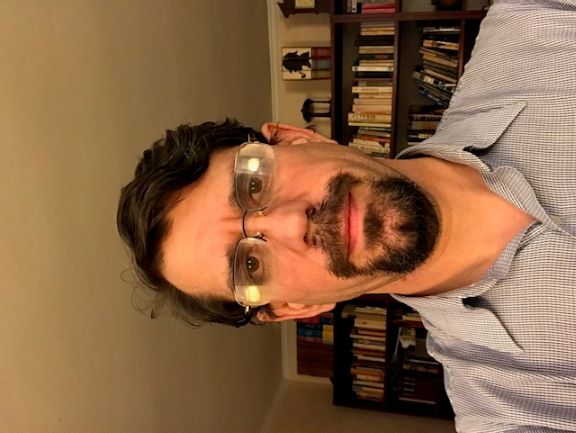
Please tell us a little about the Marxe School of Public and International Affairs and your roles with the school:
A: The Marxe School of Public and International Affairs (MSPIA) prepared students for work in government, non-profits, and policy-related fields. Our largest degree program is the Master of Public Administration, but we also offer a bachelor’s degree, Masters in Higher Education Administration, International Affairs, and City Planning, and an expanding number of exciting dual degree programs. I have been teaching at MSPIA for more than twenty years and have served as chair of the Learning Assessment Committee since early 2022. I will soon be cycling out of that role but will then assume the duties of the Faculty Director of the MPA.
Q: The Marxe School’s assessment program has grown tremendously over the past several years! Can you describe Marxe’s assessment philosophy (faculty dedication, quality assurance, integrity, etc.) and one exciting assessment effort that occurred recently?
A: Assessment at the Marx school is a faculty-driven process that incorporates administrative support. Program Learning Goals at Marxe are created by groups of faculty that teach in the courses where assessment will be conducted. Each goal is debated and approved by the full faculty. The conversations that faculty have with each other as they create and revise Program Learning Goals and assessment rubrics, and as they try to understand and act on the results of assessments are perhaps one of the best results of the assessment process. Faculty participation in the assessment process fuels important exchanges of information between teachers, curricular revision and fine tuning, and the spread of teaching practices that work.
Q: What were the curricular adjustments proposed or made as a result of the conclusions drawn from this assessment and the data generated? How will these actions prove beneficial to the students and the program?
A: Different groups of faculty respond to assessment results in different ways. Sometimes assessment results are cited in support of large curricular changes like the wholesale creation or revision of classes. More frequently the assessment data and discussions prompt faculty to make smaller changes like sharing of new teaching materials across sections, changing the sequence of assignments, and re-writing assignments.
Q: How has assessment helped to bring the faculty together at Marxe regarding course content and pedagogical practices?
A: The assessment process provides one of the few consistent opportunities for faculty to discuss course content and pedagogy, and they conversations help bring together groups of faculty who teach the same or similar classes to learn from each other.
Q: What would you recommend to faculty who want to engage in meaningful assessment? How can we better inform faculty of its value and impact on teaching and learning?
A: Every meeting of the Marxe Learning Assessment Committee is open to all faculty, and I urge anyone with an interest in assessment to attend regardless of if they are officially on the committee or not. But there are plentiful opportunities to engage with the assessment process in small course-area specific groups even for those who cannot attend the full committee meetings.
Interviewed by Melissa Sultana, Office of Assessment
May 15, 2025